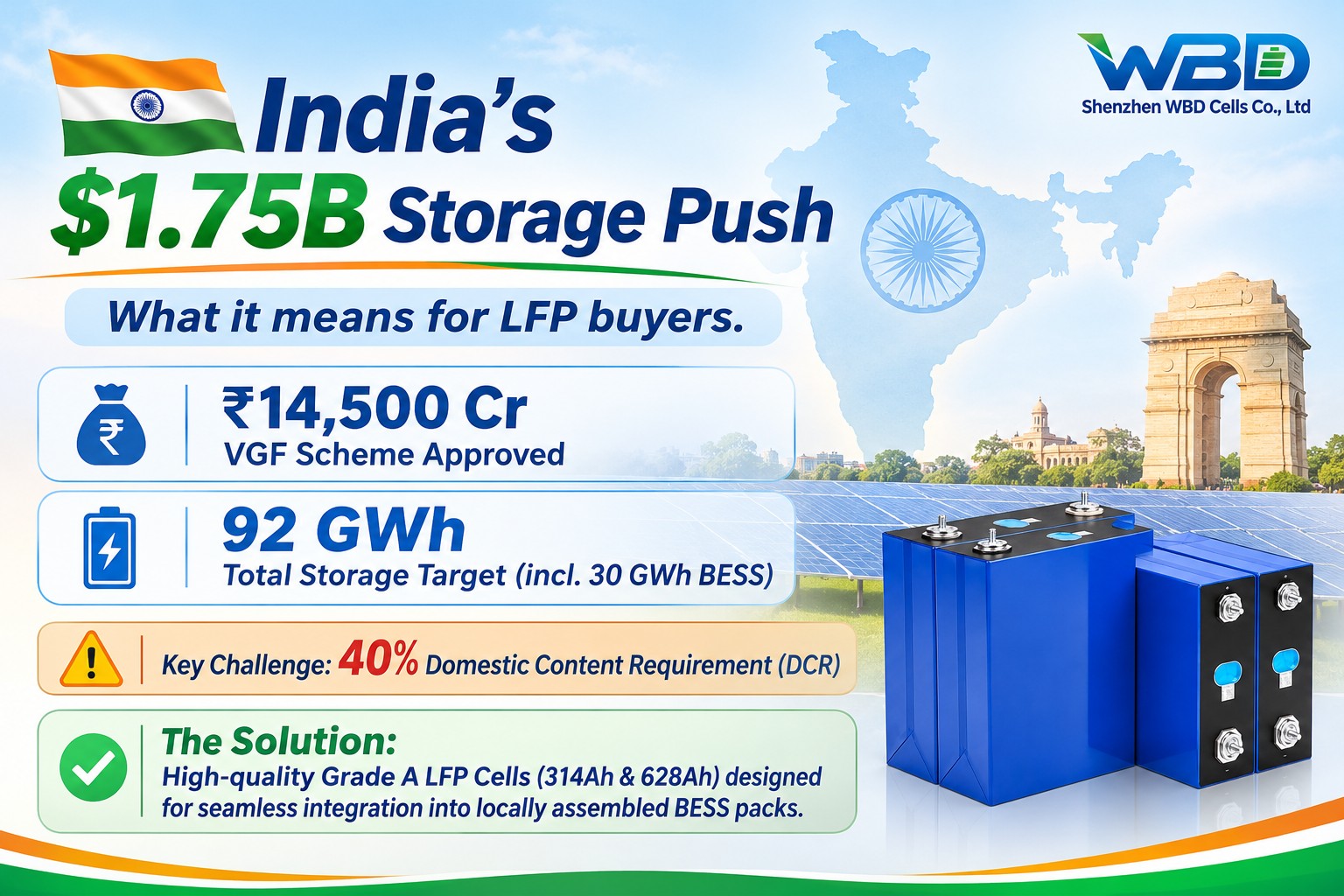
Recently, the Indian Cabinet approved a massive ₹14,500 crore VGF scheme to support 92 GWh of storage capacity—including 30 GWh of Battery Energy Storage Systems (BESS) by 2031-32.
This is a massive demand signal. However, there is a critical rule for global suppliers: BESS projects must meet a minimum 40% Domestic Content Requirement (DCR).
At WBD Cells, we see this as a shift in how business is done, not a closed door.
The era of simply exporting finished products is evolving. India’s new policy means the real opportunity lies in supply chain collaboration. Indian system integrators and pack assemblers need qualified, reliable LFP cells to meet this massive demand, while simultaneously fulfilling local manufacturing quotas.
As a flexible and experienced battery supplier, WBD Cells supports this transition. We provide high-quality Grade A LFP cells (314Ah, 628Ah) ready to be integrated into locally assembled packs and BESS solutions in India.
Policies will change, but the need for reliable, safe, and cost-effective energy storage remains.
Are you an EPC or system integrator navigating the new Indian DCR rules? Let’s discuss how WBD Cells can secure your cell supply chain.
Contact Us Now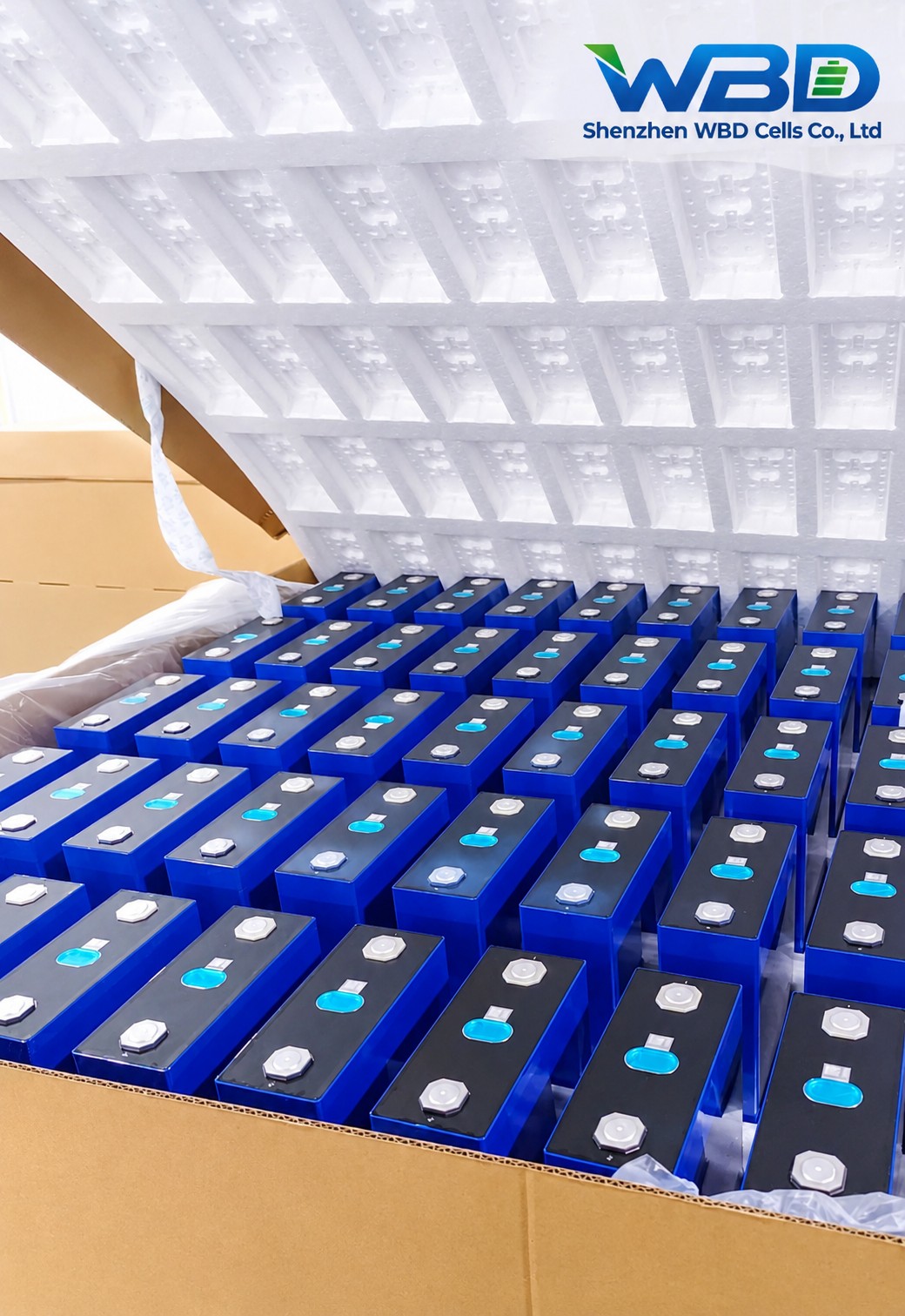
We are seeing a clear market reality: Tier-1 manufacturers' 314Ah capacity is heavily locked by long-term contracts, leaving spot market availability extremely tight. Meanwhile, the market is rapidly shifting toward 500Ah+ cells.
In a market like this, waiting for "stock availability" is no longer a strategy. Locking in capacity is.
For buyers and system integrators, the winners are those who plan ahead, commit to long-term orders, and secure production slots early.
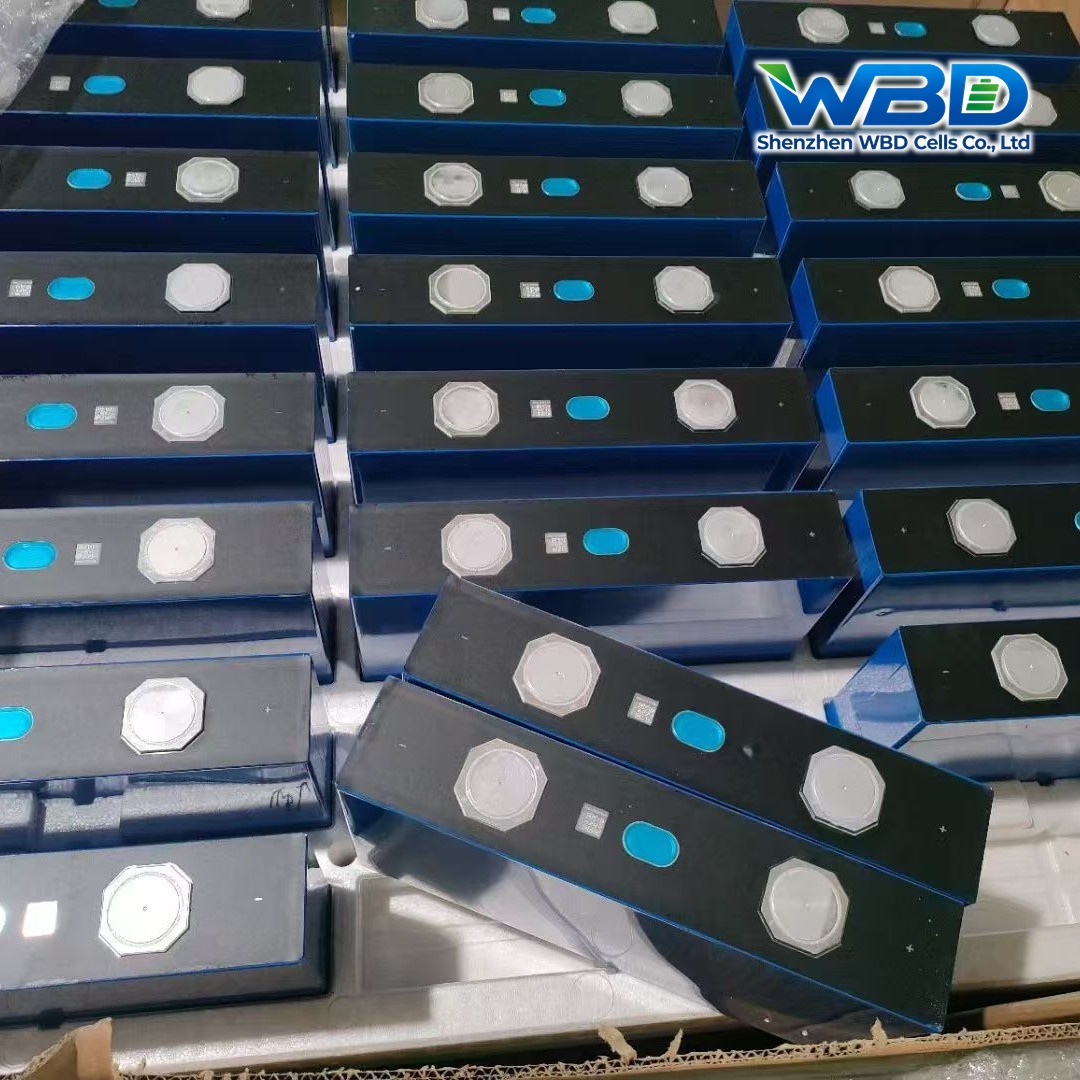
📦 As shown in the photo, we have reliable LFP cell solutions in stock and ready to support your projects. Whether you are scaling up to 628Ah cells or need stable 314Ah supply, WBD Cells is here to secure your supply chain.
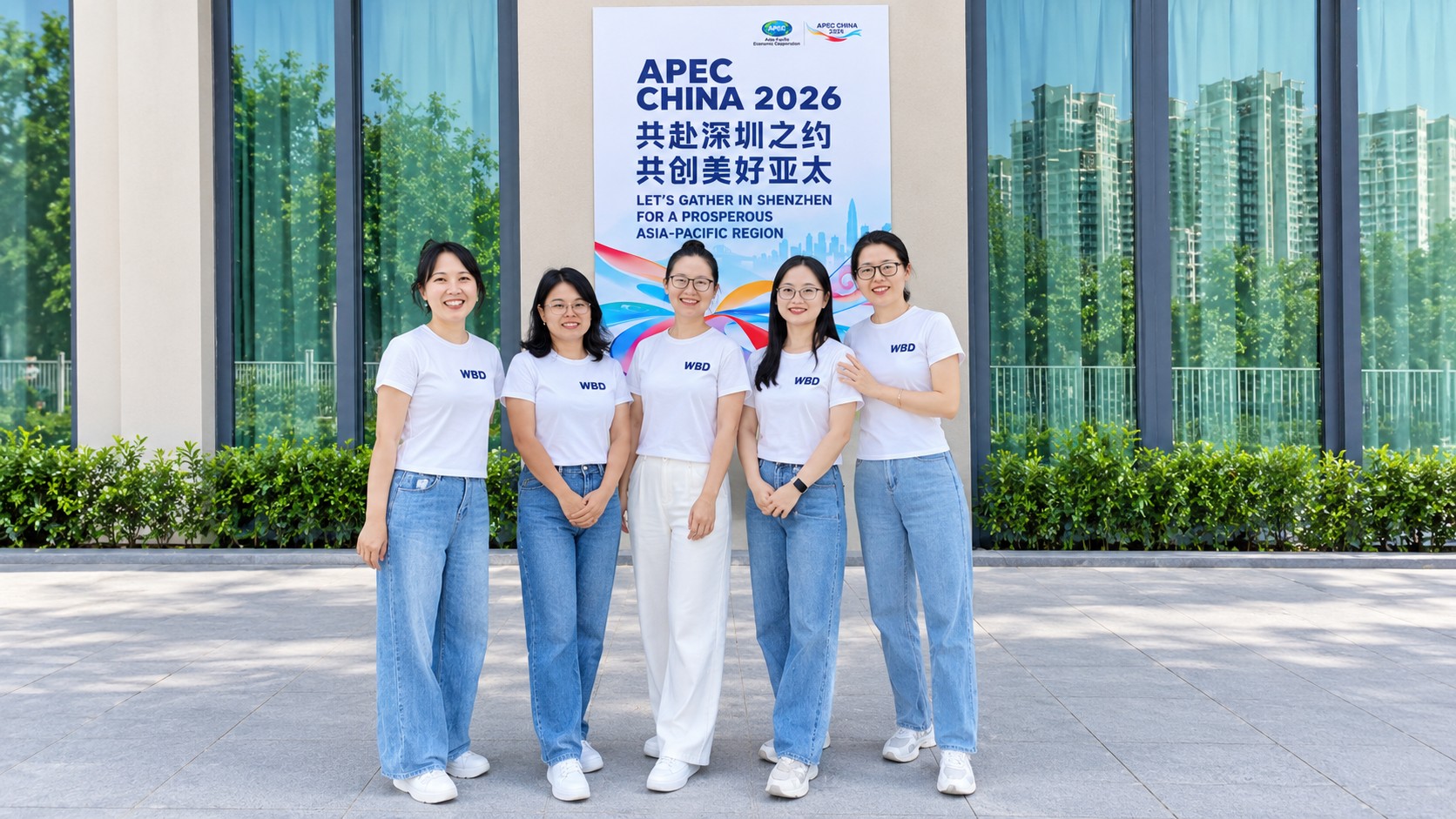
The city of Shenzhen is currently buzzing with excitement as it prepares to host the APEC Leaders' Meeting on November 18–19, 2026. As a local enterprise deeply rooted in the battery supply chain, the team at Shenzhen WBD Cells Co., Ltd recently visited our local community center to learn more about the significance of this global event.
What does APEC mean for international trade?
In simple terms, APEC is a cooperative platform for 21 Pacific Rim economies to discuss ways to make cross-border trade easier, reduce tariffs, and boost economic cooperation.
A New Policy to Benefit Our Overseas Clients
One of the most exciting updates is the extension of the APEC Business Travel Card. Holders can now stay in China for up to 90 days (extended from 60 days).
For our overseas B2B clients, this is a massive advantage. It provides a much longer window to meet our team, inspect stock, and negotiate contracts.
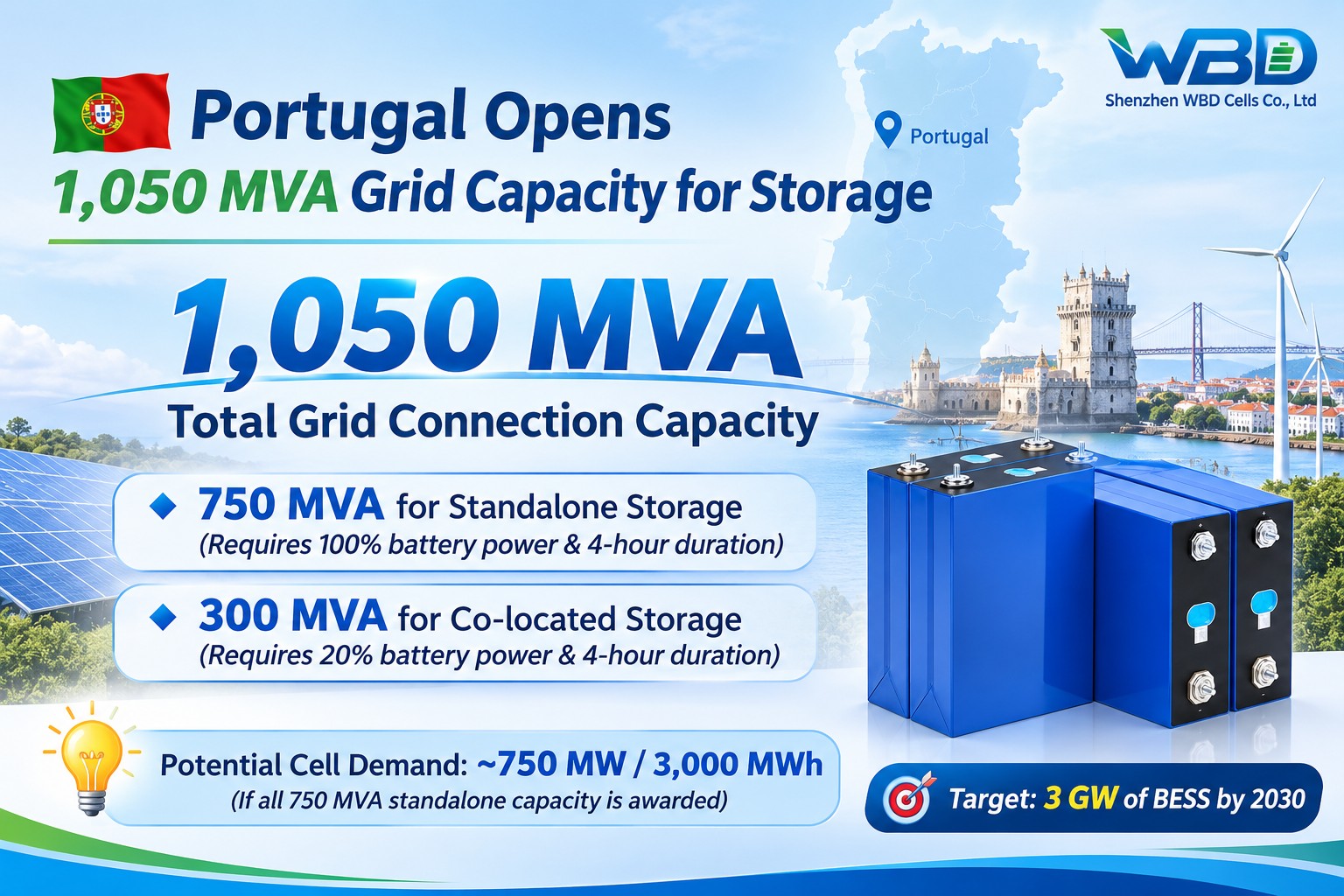
In late October, Portugal launched its first competitive grid connection auctions since 2021: 750 MVA for standalone storage projects and 300 MVA for renewable plants with co-located batteries.
This is a grid access auction, not a battery procurement. But the math is clear: if the full 750 MVA is awarded, developers will need to deploy roughly 750 MW / 3,000 MWh of battery capacity.
Portugal currently has only about 20 MW installed, with a target of 3 GW by 2030. This is a massive policy-driven demand signal worth tracking.
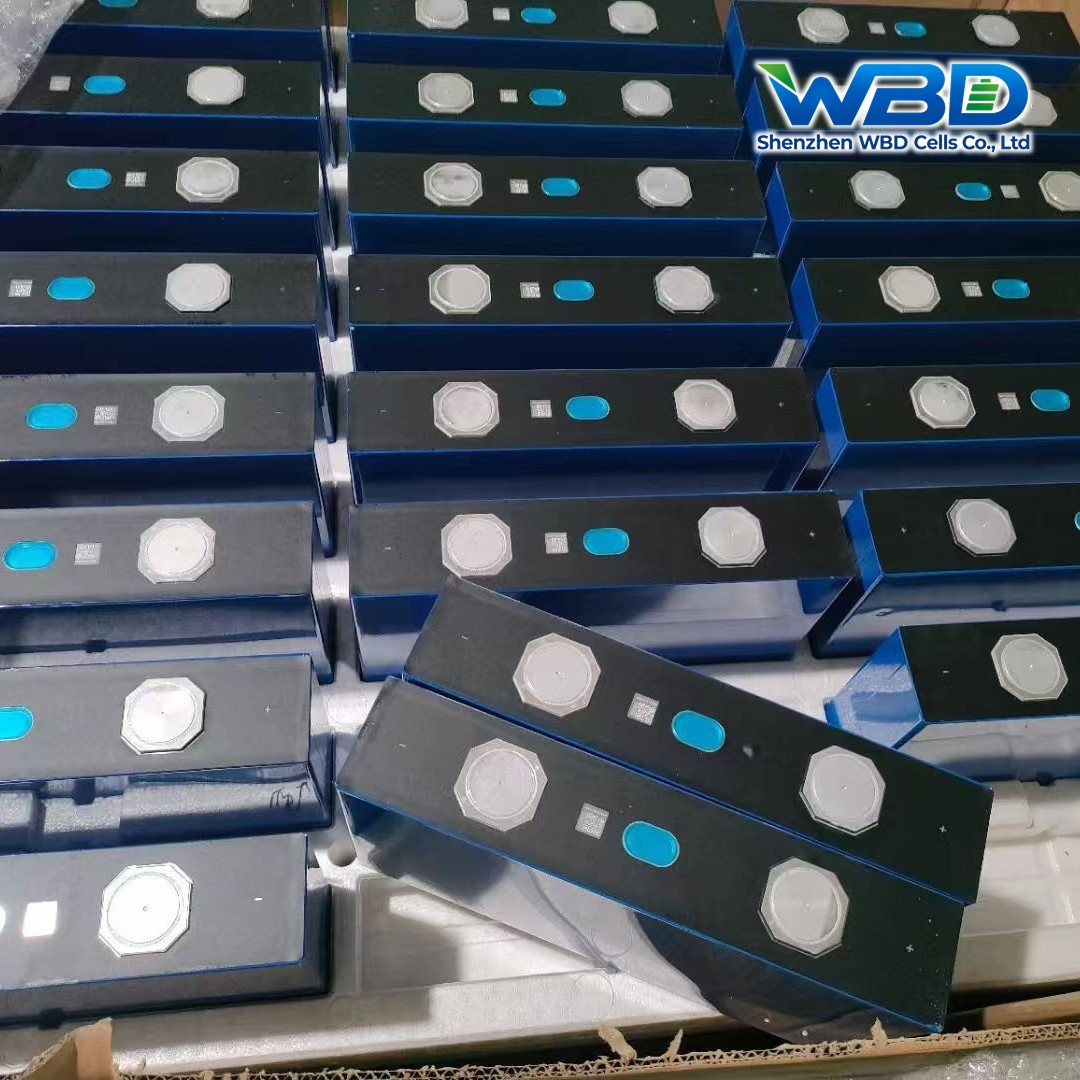
In the battery market, not all “Grade A” cells are created equal. With supply tightening, how do you verify the quality of a batch before it leaves the warehouse?
1. Traceability & QR Code Integrity: A genuine Grade A cell must have an intact, laser-etched QR code. If it is scratched off or replaced with a paper sticker, it is a major red flag.
2. Terminal Flatness & Rework Marks: Grade A terminals must be perfectly flat, clean, and free of weld spatter. Grinding marks indicate the cell has likely been salvaged.
3. Structural Integrity of the Safety Vent: Any irregular deformation, bulging, or micro-dents indicates internal pressure issues.
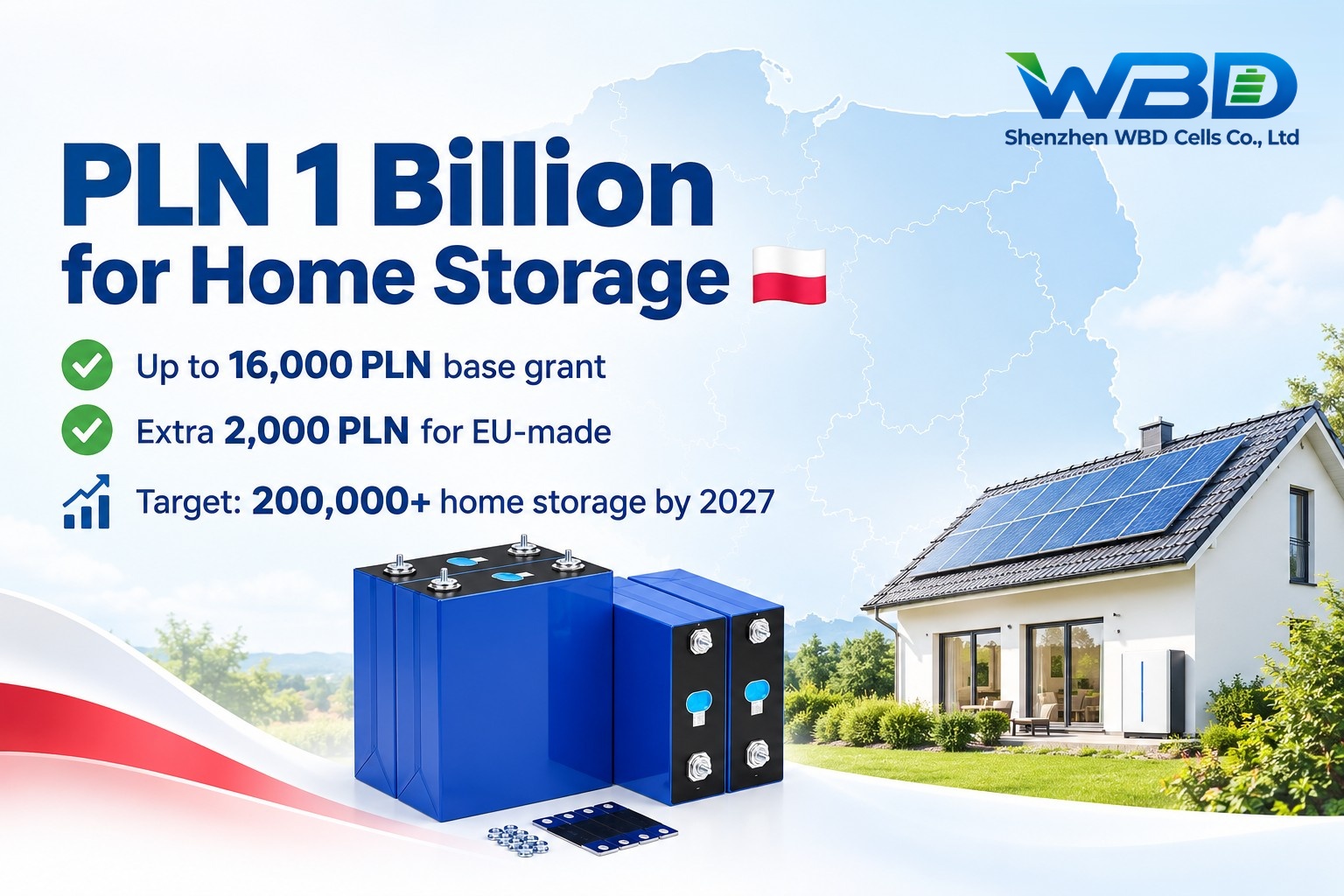
The program, launched by Poland’s National Fund for Environmental Protection on October 20, offers up to 16,000 PLN for a home battery system. An extra 2,000 PLN is available if the battery is manufactured in the EU.
Chinese-made systems can apply for the base 16,000 PLN. What they cannot get is the 2,000 PLN EU-manufacturing bonus.
Poland’s home storage count grew from 10,000 in early 2024 to roughly 150,000 by June 2026. The government aims to exceed 200,000 by end-2027.
A new Prime Minister directive orders provinces to roll out rooftop solar support policies by December 2026, and explicitly encourages rooftop PV + BESS at industrial parks.
Vietnam’s revised power plan targets 10–16.3 GW of BESS by 2030, with solar projects required to pair at least 10% storage capacity. Current installed BESS is only around 100 MW. The gap is huge.
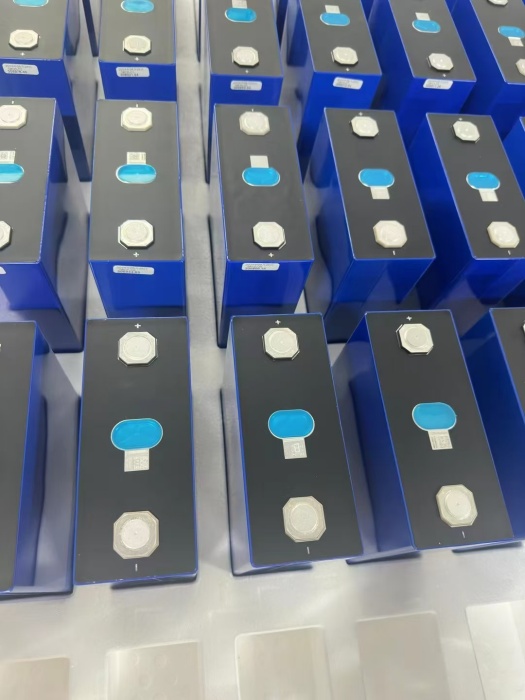
Even as 500Ah+ cells accelerate, 314Ah remains the highest-volume format in current energy storage deliveries.
Top manufacturers are redirecting expansion and retrofitting lines for larger cells, slowing the growth of qualified 314Ah capacity. Order books for top-tier 314Ah cells extend into 2027. Spot availability is extremely thin.
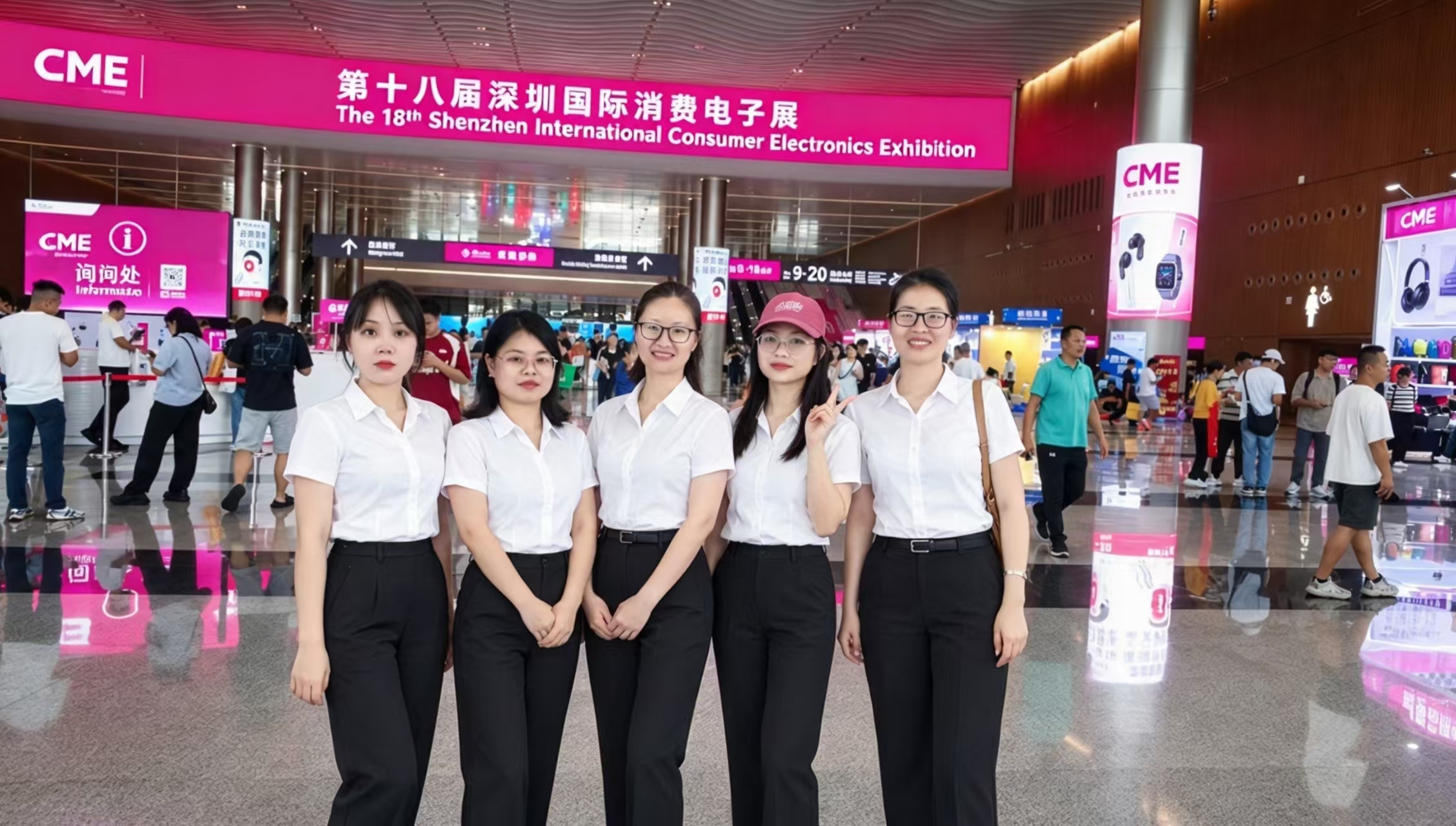
We had a great time at CME Shenzhen! It is clear that interest in energy storage is booming. We are noticing a crucial shift in what customers truly care about: product safety and after-sales service.
Buyers aren't just looking at specs and price anymore—they want reliable partners who can guarantee safety and actually deliver on their service promises.
We are pleased to announce that our 628Ah large-format LiFePO4 cells are now in mass production, designed for utility-scale energy storage systems. These cells offer approximately 2.009kWh per cell and over 8,000 cycles.
Visit us at the 136th Canton Fair to see our latest LTO, LiFePO4, and NCM battery cells. Our team will be available to discuss your specific requirements.